Medical Obesity Treatment in Busan, Korea

Medical Weight Loss at ONE CLINIC Seomyeon

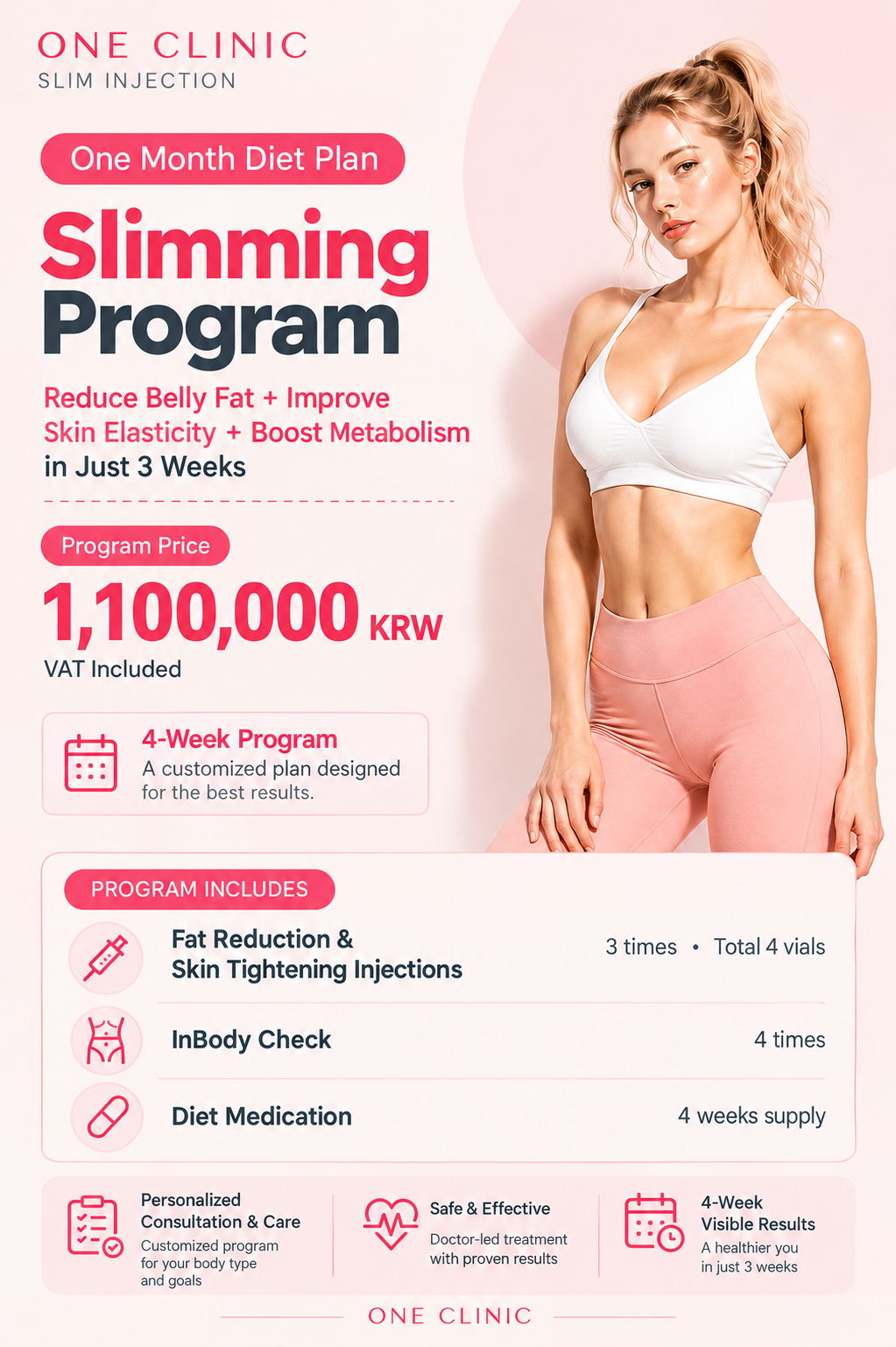
Medical Obesity Treatment at ONE CLINIC Seomyeon offers personalized weight-management consultation for local and international patients seeking medically guided support for obesity management, weight control, and body composition improvement. Medical obesity treatments may include prescription medications, injectable therapies, and lifestyle-based management options that may be considered for appropriate patients following medical evaluation. At ONE CLINIC Seomyeon, treatment planning can take into account individual weight goals, health status, lifestyle, and body-contouring concerns. When appropriate, medical obesity treatment may also be combined with customized body-contouring and aesthetic programs to support a slimmer, more balanced appearance and sustainable weight-management goals.

Medical Obesity Treatment in Seomyeon, Busan

Medical Obesity Treatment at ONE CLINIC Seomyeon

For patients looking for medical obesity treatment in Seomyeon, Busan, ONE CLINIC Seomyeon provides personalized medical weight-management consultation based on individual health status, body composition, lifestyle, medical history, and weight-management goals.

Obesity is a chronic health condition that can affect metabolic health, mobility, cardiovascular risk, and overall quality of life. Medical obesity treatment takes a structured approach to weight management rather than focusing only on short-term dieting.

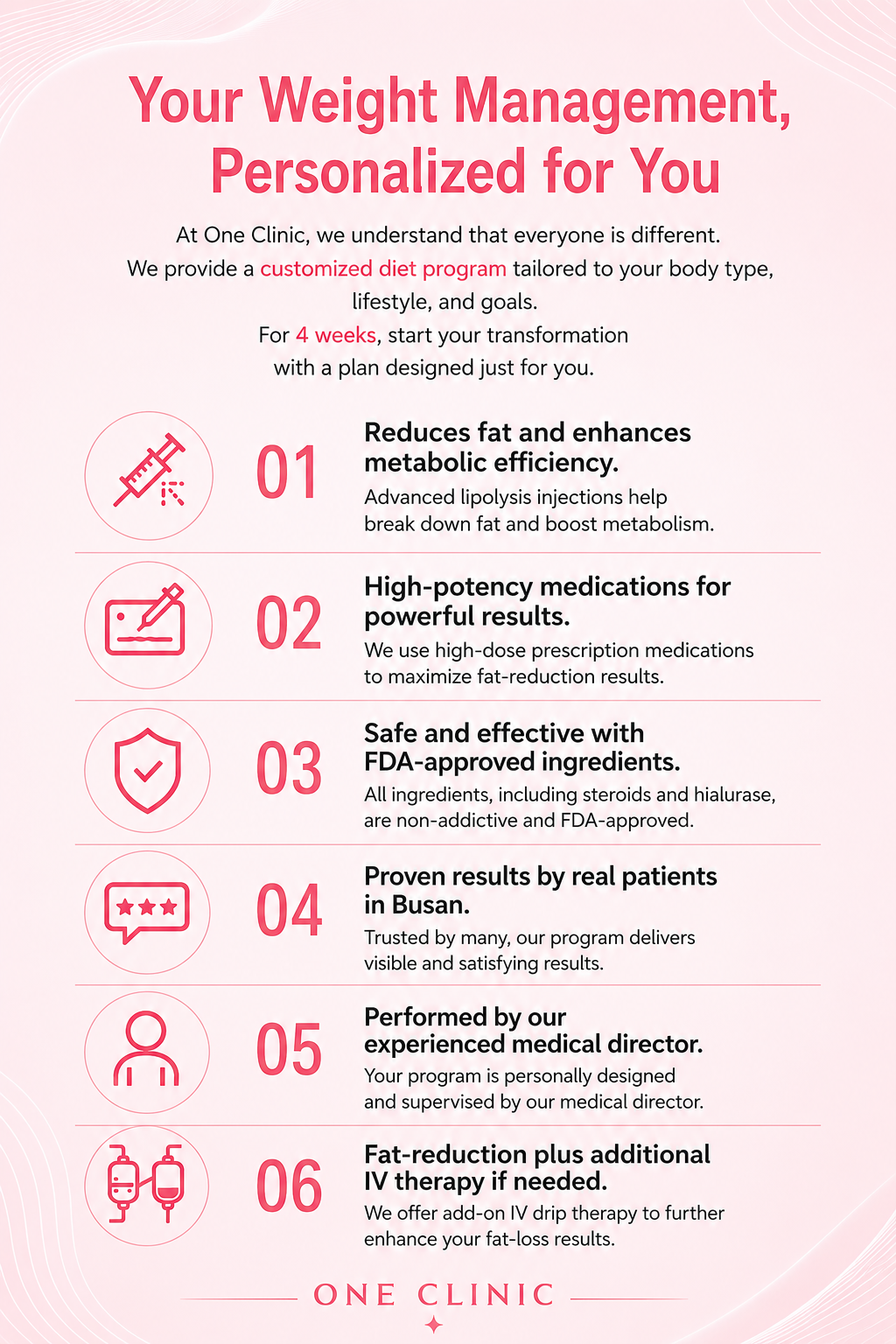
Depending on individual circumstances, treatment may include lifestyle management, body-composition monitoring, prescription weight-management medications, and ongoing medical follow-up.

What Is Medical Obesity Treatment?

Medical obesity treatment refers to medically supervised approaches designed to help eligible patients manage obesity and related health risks.

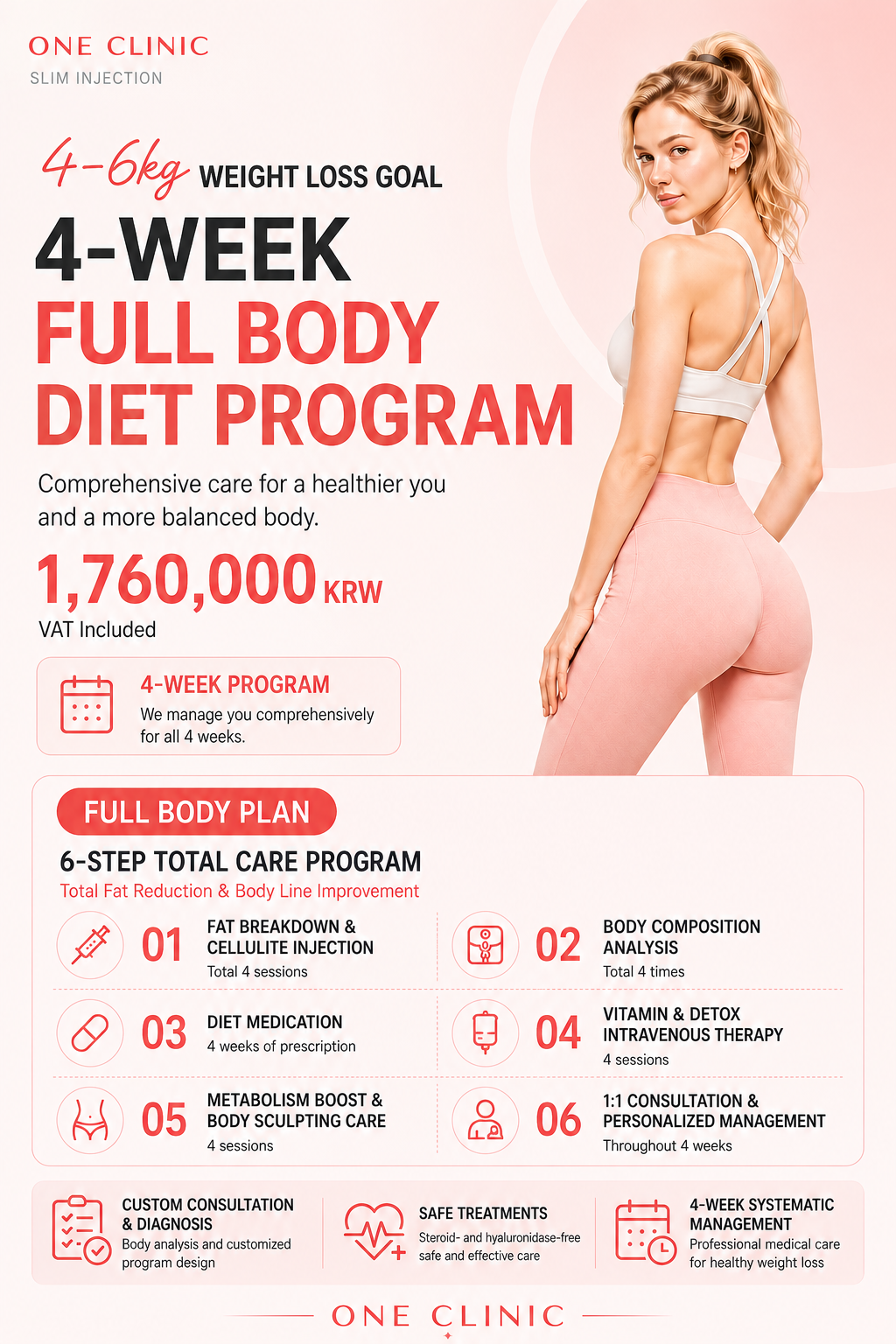
A comprehensive treatment plan may include:

  • Medical evaluation
  • Body composition analysis
  • Nutrition and lifestyle management
  • Prescription weight-management medication
  • Weight and treatment-response monitoring
  • Long-term weight-maintenance planning

The appropriate treatment depends on factors such as BMI, medical history, weight-related conditions, current medications, lifestyle, and individual goals.

Who May Consider Medical Obesity Treatment?

Medical obesity treatment may be considered for adults who have obesity or clinically significant excess weight and need additional support beyond lifestyle changes alone.

A consultation may be appropriate for patients who:

  • Have obesity or overweight with weight-related health concerns
  • Have difficulty managing appetite or food intake
  • Have experienced repeated weight regain
  • Have not achieved sufficient results through lifestyle changes alone
  • Have metabolic or other obesity-related health concerns
  • Want medically supervised weight management
  • Need a structured long-term weight-management plan

Eligibility for prescription medication varies depending on the specific treatment. A physician should evaluate BMI, medical history, current medications, comorbidities, and potential contraindications before treatment.

Personalized Medical Obesity Treatment at ONE CLINIC Seomyeon

Obesity does not affect every patient in the same way. At ONE CLINIC Seomyeon, consultation can consider individual health status, body composition, lifestyle, medical history, treatment goals, and previous weight-management experiences.

Depending on the patient's circumstances, a physician may discuss:

  • Prescription weight-loss medications
  • Body composition monitoring
  • Nutrition and lifestyle strategies
  • Weight-management goals
  • Treatment schedules
  • Follow-up and long-term maintenance

The goal is to develop an individualized approach rather than applying the same treatment plan to every patient.

Prescription Medications for Medical Obesity Treatment

Prescription medications may be considered for eligible patients as part of a comprehensive obesity-management program.

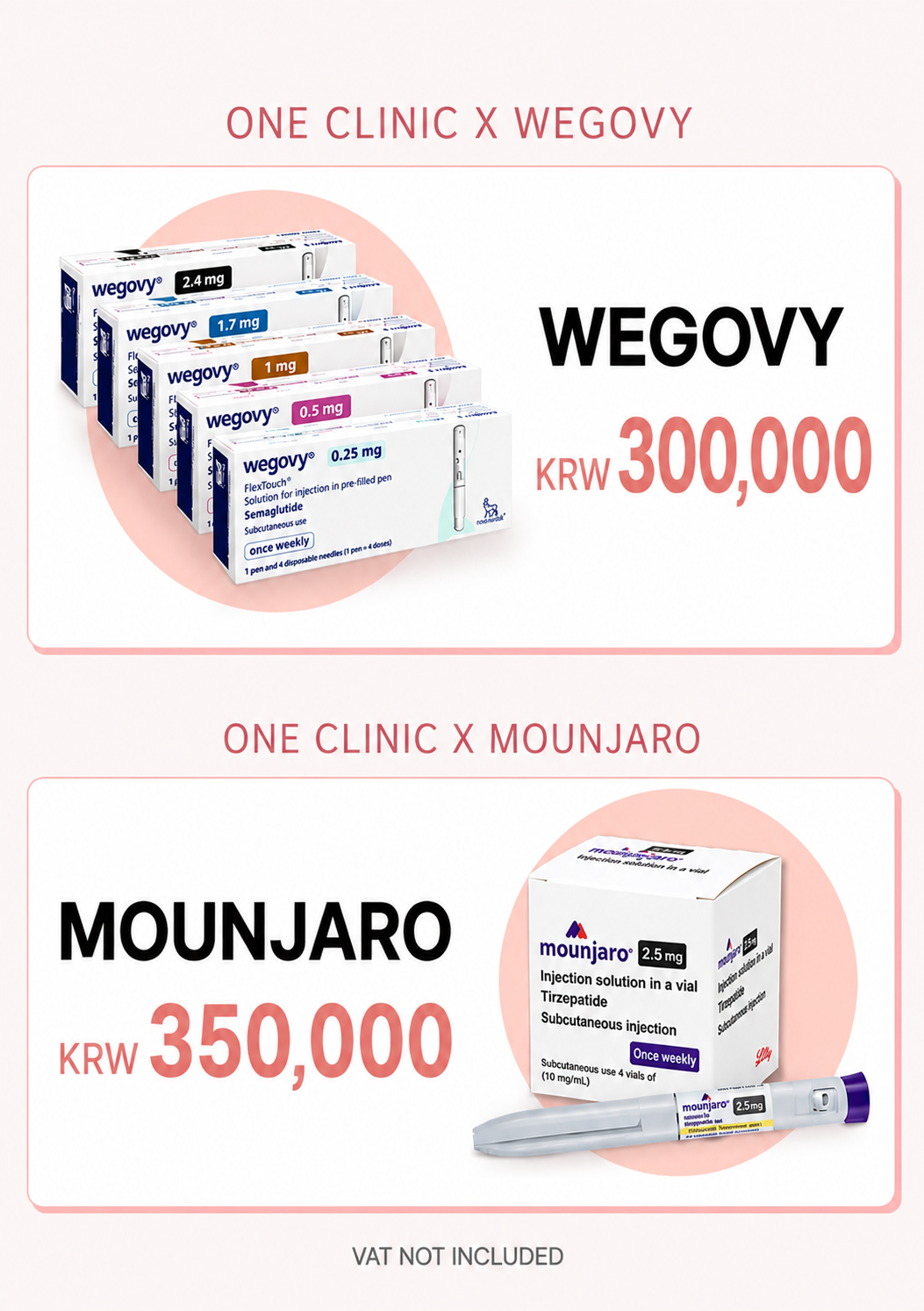
Depending on individual eligibility and local prescribing considerations, injectable medications may include:

  • Semaglutide: A GLP-1 receptor agonist that can influence appetite and satiety.
  • Tirzepatide: A GIP and GLP-1 receptor agonist that acts on two incretin pathways.
  • Other prescription options: Oral or injectable medications may be considered depending on the patient's medical circumstances.

Medication choice should be based on medical evaluation rather than simply selecting a medication based on its popularity or expected weight-loss effect.

Medical Obesity Treatment and Lifestyle Management

Medication alone is not a substitute for sustainable lifestyle management.

A comprehensive obesity-treatment plan may include attention to:

  • Balanced nutrition
  • Appropriate calorie intake
  • Regular physical activity
  • Sleep and lifestyle habits
  • Body composition
  • Weight trends
  • Long-term weight maintenance

Regular follow-up can help assess treatment response, side effects, lifestyle progress, and whether the treatment plan needs adjustment.

Medical Obesity Treatment and Body Contouring in Busan

Medical obesity treatment and body contouring address different concerns.

Medical obesity treatment focuses on overall weight management and health, while body-contouring treatments are generally intended to address localized fat or body-shape concerns.

After or during weight reduction, some patients may remain concerned about:

  • Abdomen and waist
  • Thighs
  • Upper arms
  • Back
  • Double chin
  • Localized fat
  • Skin firmness

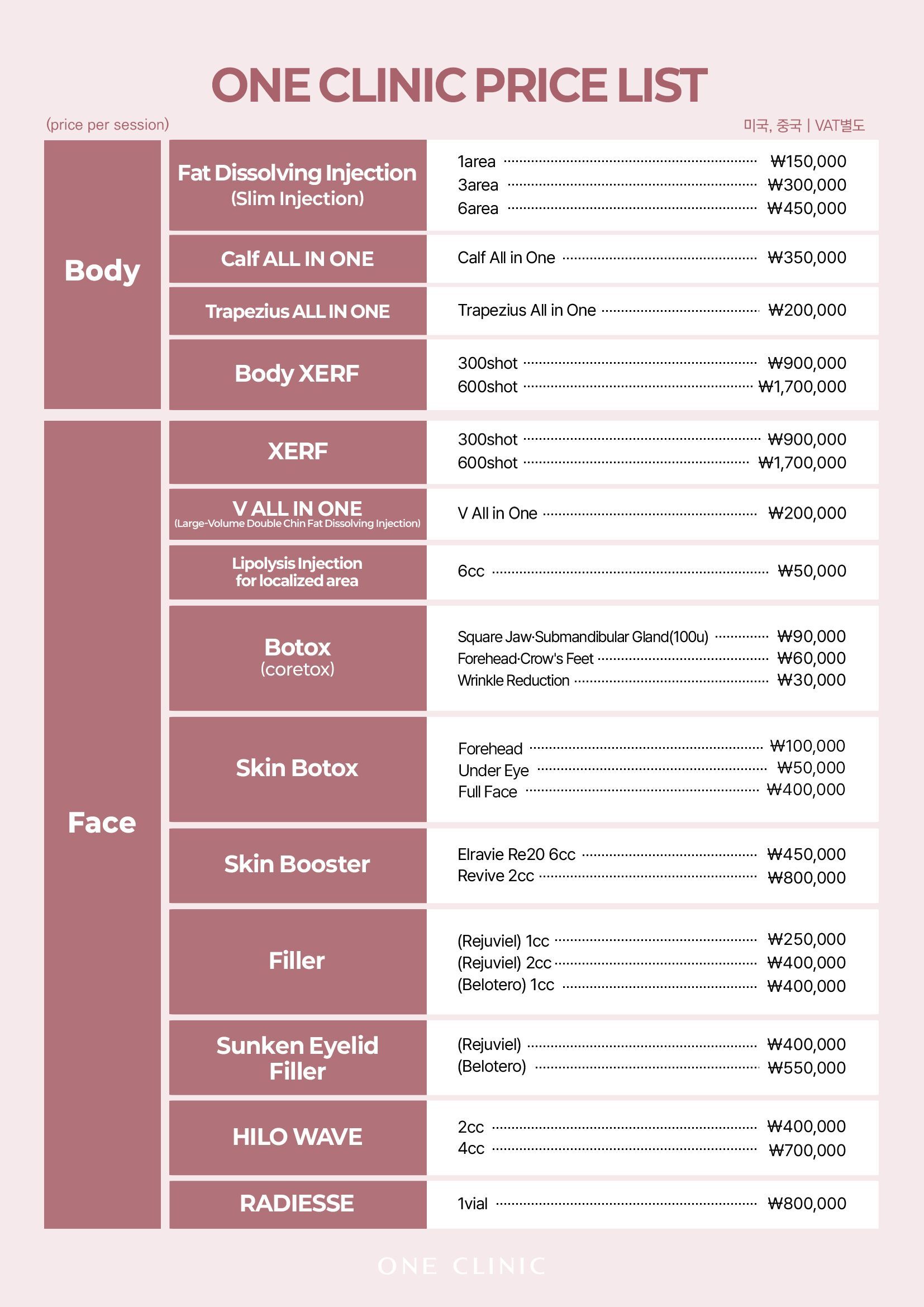
ONE CLINIC's aesthetic services can provide separate consultation for localized fat, body-line refinement, double-chin concerns, and non-surgical body contouring.

These aesthetic treatments should be considered separately from medical obesity treatment according to the patient's individual needs.

Possible Side Effects and Treatment Considerations

The potential side effects of medical obesity treatment depend on the treatment selected.

Prescription weight-management medications, particularly GLP-1 or GIP/GLP-1 medications, may cause gastrointestinal symptoms such as nausea, vomiting, diarrhea, constipation, decreased appetite, or abdominal discomfort.

Other medications have different side effects and contraindications.

Before treatment, patients should discuss:

  • Medical history
  • Current medications
  • Allergies
  • Pregnancy or pregnancy plans
  • Previous weight-loss medications
  • Existing health conditions
  • Previous reactions to medications

A physician can determine whether a specific treatment is appropriate and explain the relevant risks and precautions.

Why Choose Seomyeon, Busan?

Seomyeon is a central and convenient area of Busan for patients seeking medical and aesthetic care. Its accessibility can also make it practical for international visitors staying in Busan.

ONE CLINIC Seomyeon provides personalized consultation so that treatment planning can consider individual health goals, treatment schedules, lifestyle, and travel circumstances.

Medical Obesity Treatment for International Patients in Busan

International patients considering medical obesity treatment in Busan should plan for the possibility of ongoing treatment and follow-up rather than assuming that one visit will complete the program.

Before starting treatment, patients should understand:

  • Whether medical obesity treatment is appropriate
  • Which treatment has been recommended
  • Medication dosage and schedule when applicable
  • Possible side effects
  • Follow-up requirements
  • Lifestyle recommendations
  • How treatment can continue after leaving Korea

Patients prescribed medication should also check medication transportation, storage, and entry requirements for their destination country.

Medical Obesity Treatment at ONE CLINIC Seomyeon

For patients searching for medical obesity treatment in Seomyeon, Busan, ONE CLINIC Seomyeon offers an individualized approach to medically supervised weight management.

Treatment planning can consider overall health, body composition, lifestyle, medical history, and weight-management goals. For appropriate patients, prescription medication may provide additional support alongside nutrition, physical activity, and long-term lifestyle management.

FAQ

What is medical obesity treatment?

Medical obesity treatment is a physician-guided approach to managing obesity and related health concerns. Depending on the patient, it may include lifestyle management, prescription medication, body composition monitoring, and ongoing follow-up.

Who is eligible for medical obesity treatment?

Eligibility depends on individual factors such as BMI, weight-related health conditions, medical history, current medications, and the specific treatment being considered. A physician should determine whether treatment is appropriate.

Are weight-loss injections part of medical obesity treatment?

They can be. Prescription injectable medications such as semaglutide or tirzepatide may be considered for eligible patients as part of a comprehensive medical weight-management program.

Can medical obesity treatment be done without surgery?

Yes. Many patients can receive medically supervised obesity treatment without bariatric surgery. Depending on individual needs, treatment may include lifestyle management, prescription medication, and monitoring.

How long does medical obesity treatment take?

Treatment duration varies between individuals. Obesity is a chronic condition, so long-term management may be necessary to support sustained weight reduction and maintenance.

Can international patients receive medical obesity treatment at ONE CLINIC Seomyeon?

International patients can seek consultation at ONE CLINIC Seomyeon. However, treatment eligibility, prescription requirements, medication availability, and follow-up needs should be confirmed with the clinic based on each patient's individual health status and goals.