Postpartum Weight Loss in Busan, Korea
Women's Weight Loss at ONE CLINIC Seomyeon
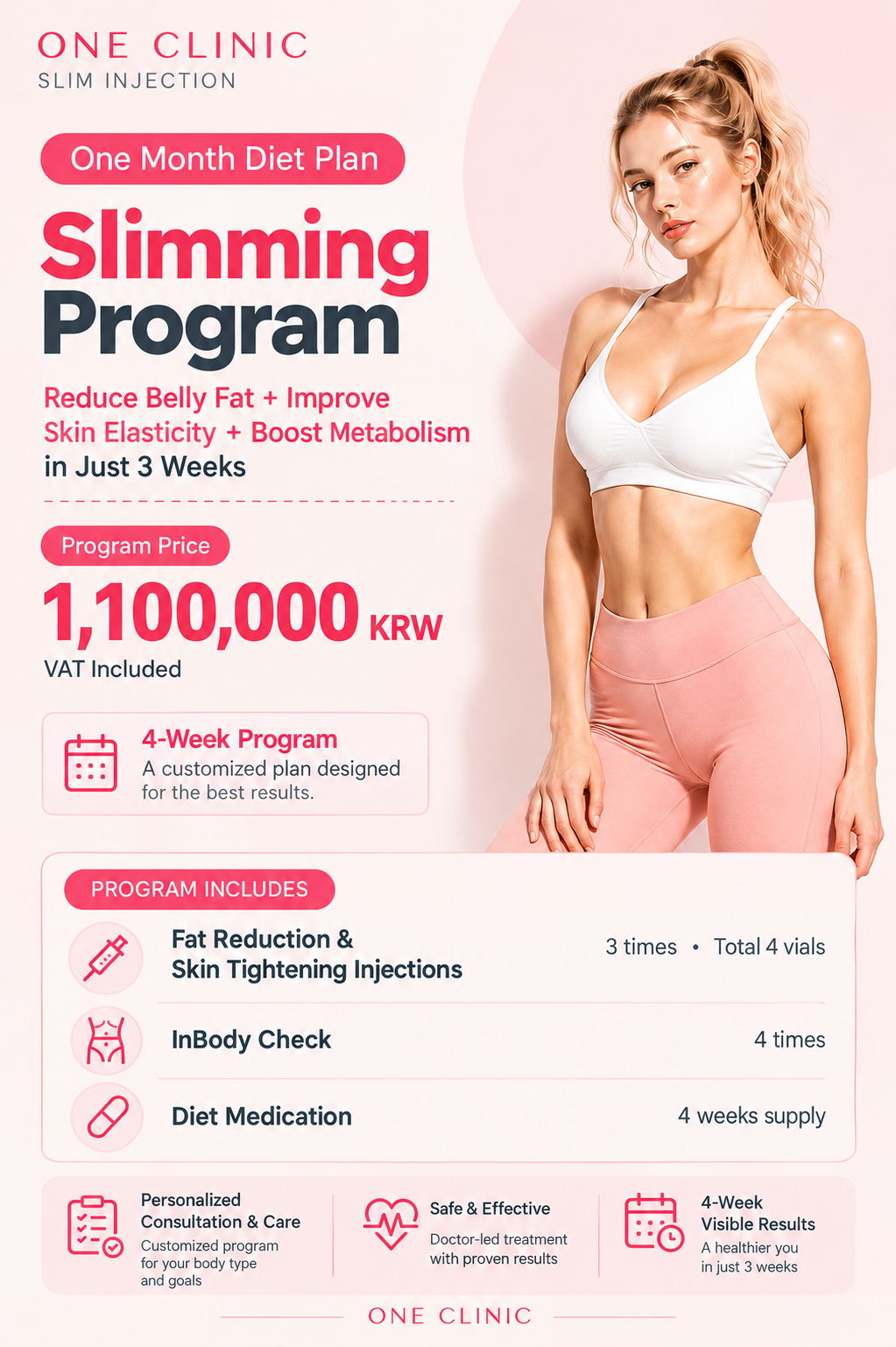
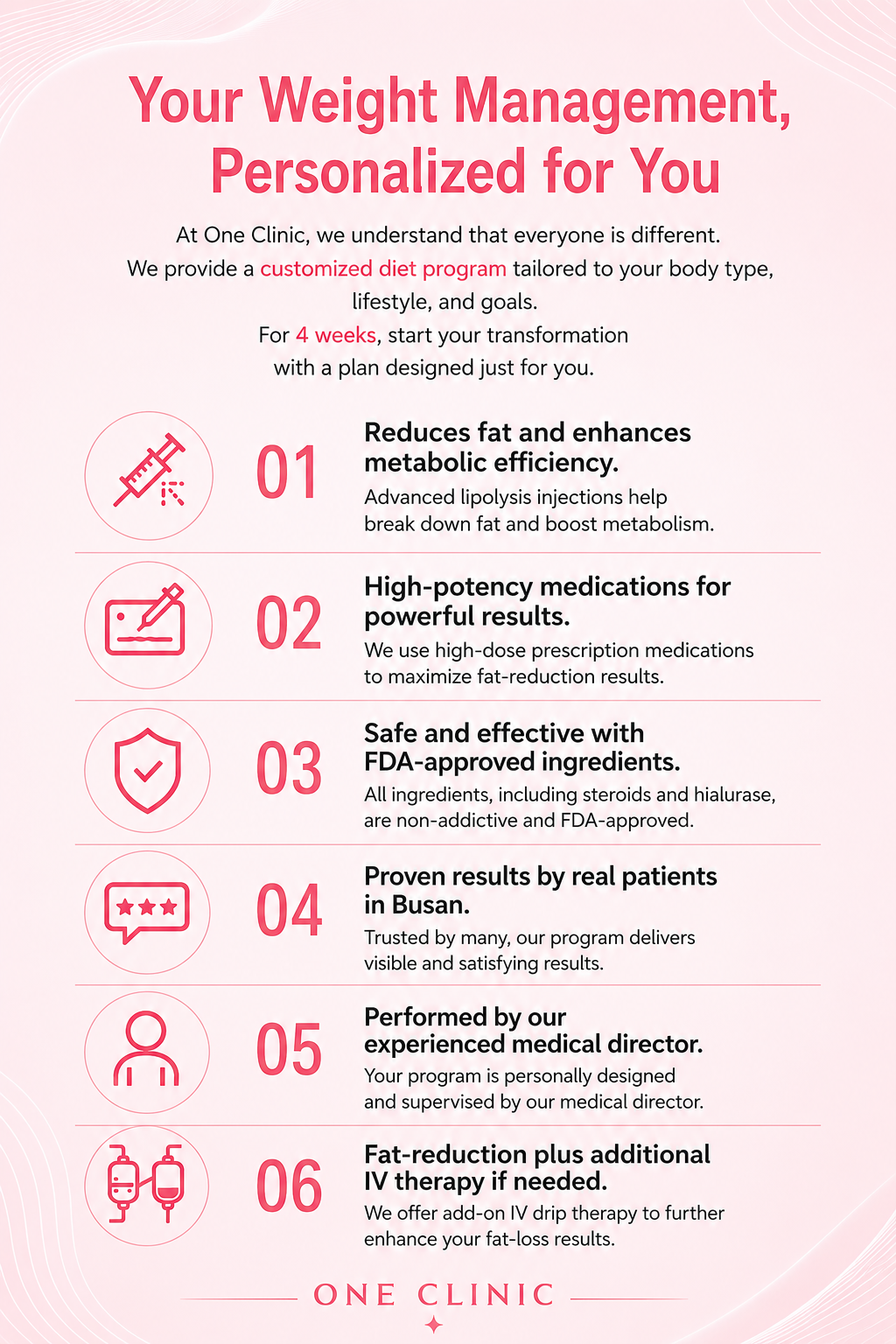
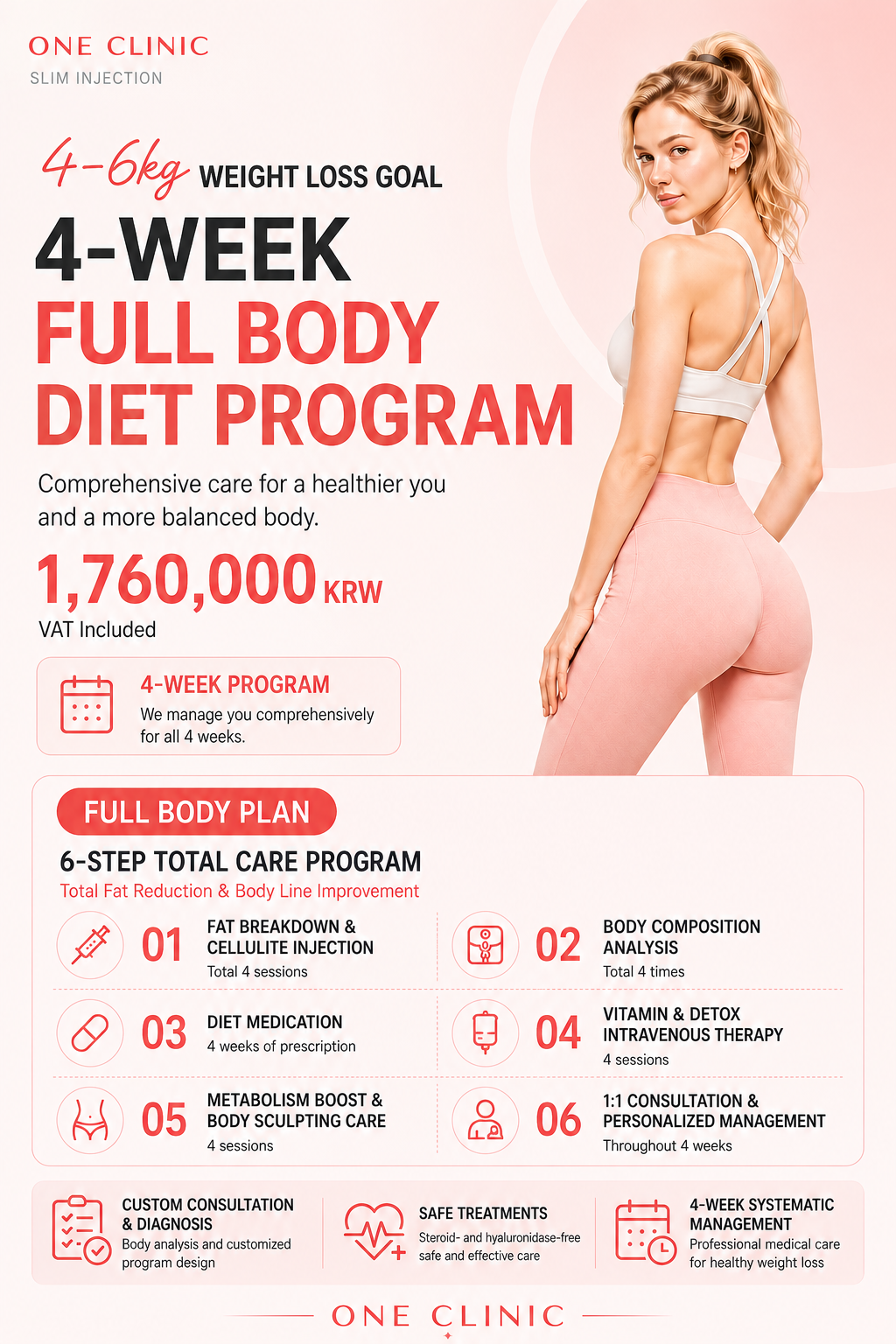
Postpartum Weight Loss at ONE CLINIC Seomyeon offers personalized weight-management consultation for local and international patients seeking medically guided support for postpartum weight control and body composition improvement. Postpartum weight-loss treatment may include personalized nutrition guidance, exercise planning, and appropriate medical weight-management options following medical evaluation. At ONE CLINIC Seomyeon, treatment planning can take into account individual weight goals, health status, lifestyle, postpartum recovery, and body-composition concerns. When appropriate, postpartum weight management may also be combined with customized body-contouring and aesthetic programs to support a slimmer, more balanced appearance and sustainable weight-management goals.
Postpartum Weight Loss in Seomyeon, Busan
Women's Weight Loss at ONE CLINIC Seomyeon
For patients looking for postpartum weight loss in Seomyeon, Busan, ONE CLINIC Seomyeon provides personalized medical weight-management consultation based on individual health status, body composition, lifestyle, postpartum recovery, and weight-loss goals.
Weight changes after pregnancy can be influenced by changes in body composition, activity levels, sleep, nutrition, and the physical demands of caring for a newborn. Postpartum weight management should therefore focus on gradual, sustainable changes while allowing adequate time for recovery.
For patients who are breastfeeding or recently gave birth, the timing and type of weight-loss treatment should be discussed with a healthcare professional before starting a structured program or prescription medication.
What Is Postpartum Weight Loss?
Postpartum weight loss refers to managing weight and body composition after pregnancy while supporting recovery and overall health.
A postpartum weight-management plan may include:
- Nutrition counseling
- Gradual return to physical activity
- Exercise planning
- Body composition analysis
- Metabolic health evaluation when appropriate
- Prescription weight-management medication when medically appropriate
- Long-term weight-maintenance strategies
The appropriate approach depends on factors such as time since delivery, recovery status, breastfeeding, medical history, body composition, and individual goals.
Who May Consider Postpartum Weight Management?
Postpartum weight-management support may be considered for women who have recovered sufficiently from pregnancy and delivery and want structured support with weight or body-composition changes.
A consultation may be appropriate for patients who:
- Have retained weight after pregnancy
- Have difficulty returning to their pre-pregnancy weight
- Want to improve body composition
- Have difficulty maintaining healthy eating habits
- Want to gradually increase physical activity
- Are concerned about persistent abdominal or localized fat
- Want medically supervised weight management after pregnancy
The appropriate timing of weight-loss treatment should be determined according to individual recovery, delivery history, breastfeeding status, and overall health.
Personalized Postpartum Weight Loss at ONE CLINIC Seomyeon
Postpartum recovery can vary significantly between individuals. At ONE CLINIC Seomyeon, consultation can consider body composition, lifestyle, medical history, recovery after delivery, breastfeeding status, current medications, and individual weight-management goals.
Depending on the patient's circumstances, a physician may discuss:
- Nutrition and meal planning
- Gradual exercise planning
- Body composition monitoring
- Metabolic health evaluation
- Prescription weight-management medication when appropriate
- Localized body-contouring options
- Long-term weight-maintenance strategies
The goal is to support sustainable weight management rather than encouraging rapid weight loss before the body has adequately recovered.
Nutrition and Postpartum Weight Loss
Nutrition is particularly important after pregnancy because the body may still require adequate energy and nutrients for recovery.
A sustainable nutrition approach may focus on:
- Adequate protein
- Nutrient-dense foods
- Balanced meals
- Appropriate calorie intake
- Hydration
- Regular meal patterns
- Sustainable eating habits
Breastfeeding can increase nutritional and energy needs, so patients who are breastfeeding should avoid aggressive calorie restriction without appropriate medical or nutritional guidance.
Exercise and Postpartum Weight Management
Physical activity can gradually become part of postpartum weight management once the patient is medically ready.
Depending on recovery and medical guidance, an exercise plan may eventually include:
- Walking and daily movement
- Gentle mobility exercises
- Core rehabilitation when appropriate
- Aerobic activity
- Resistance training
- Strength and muscle-maintenance exercises
The timing of exercise progression can depend on factors such as the type of delivery, healing, pelvic-floor symptoms, abdominal concerns, and overall recovery.
Patients should receive appropriate medical guidance before returning to strenuous exercise after childbirth.
Postpartum Weight Loss and Body Composition
Body weight alone does not show the full extent of physical changes after pregnancy. Body composition analysis can provide additional information about:
- Body fat
- Body fat percentage
- Skeletal muscle mass
- Lean body mass
- Visceral-fat-related indicators
- Changes in body composition over time
Monitoring body composition can help patients focus on gradual improvements in fat and muscle balance rather than pursuing rapid changes on the scale.
Prescription Weight Loss Medication After Pregnancy
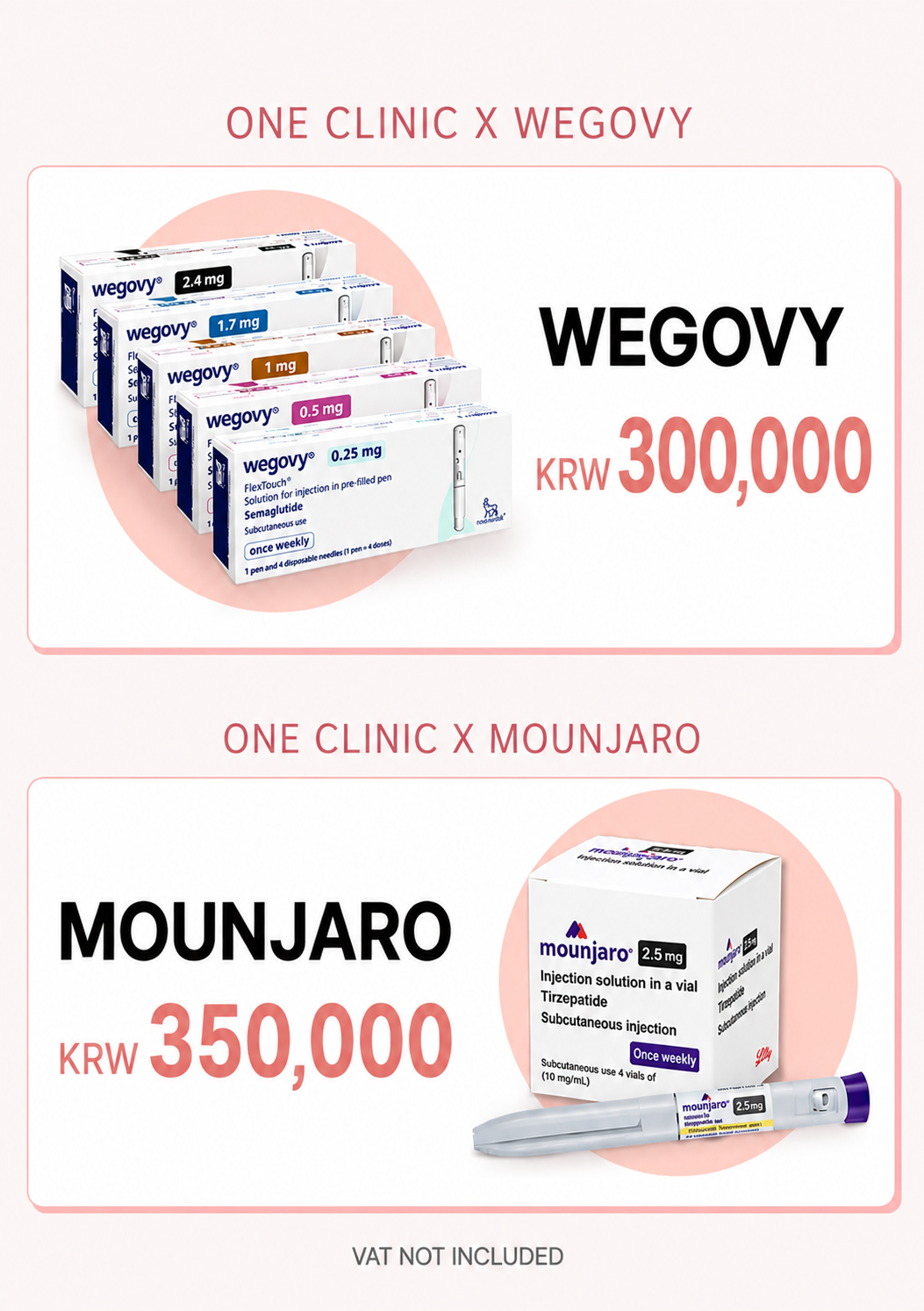
Prescription weight-loss medications may be considered for eligible patients after pregnancy when medically appropriate.
However, medication selection requires additional consideration during the postpartum period, particularly for patients who are breastfeeding or planning another pregnancy.
Before considering prescription weight-management medication, patients should discuss:
- Whether they are breastfeeding
- Time since delivery
- Current medications
- Medical history
- Pregnancy plans
- Weight and BMI
- Potential contraindications
- Whether medication is appropriate at the current stage of recovery
Patients should not start, stop, or change prescription weight-loss medication without medical guidance.
Postpartum Weight Loss and Body Contouring in Busan
Postpartum weight management and body contouring address different concerns.
Medical weight management focuses on overall weight and body composition, while body-contouring treatments may address localized fat or specific aesthetic concerns after sufficient postpartum recovery.
Patients may remain concerned about:
- Abdomen and waist
- Thighs
- Upper arms
- Back
- Double chin
- Localized fat
- Changes in body-line definition
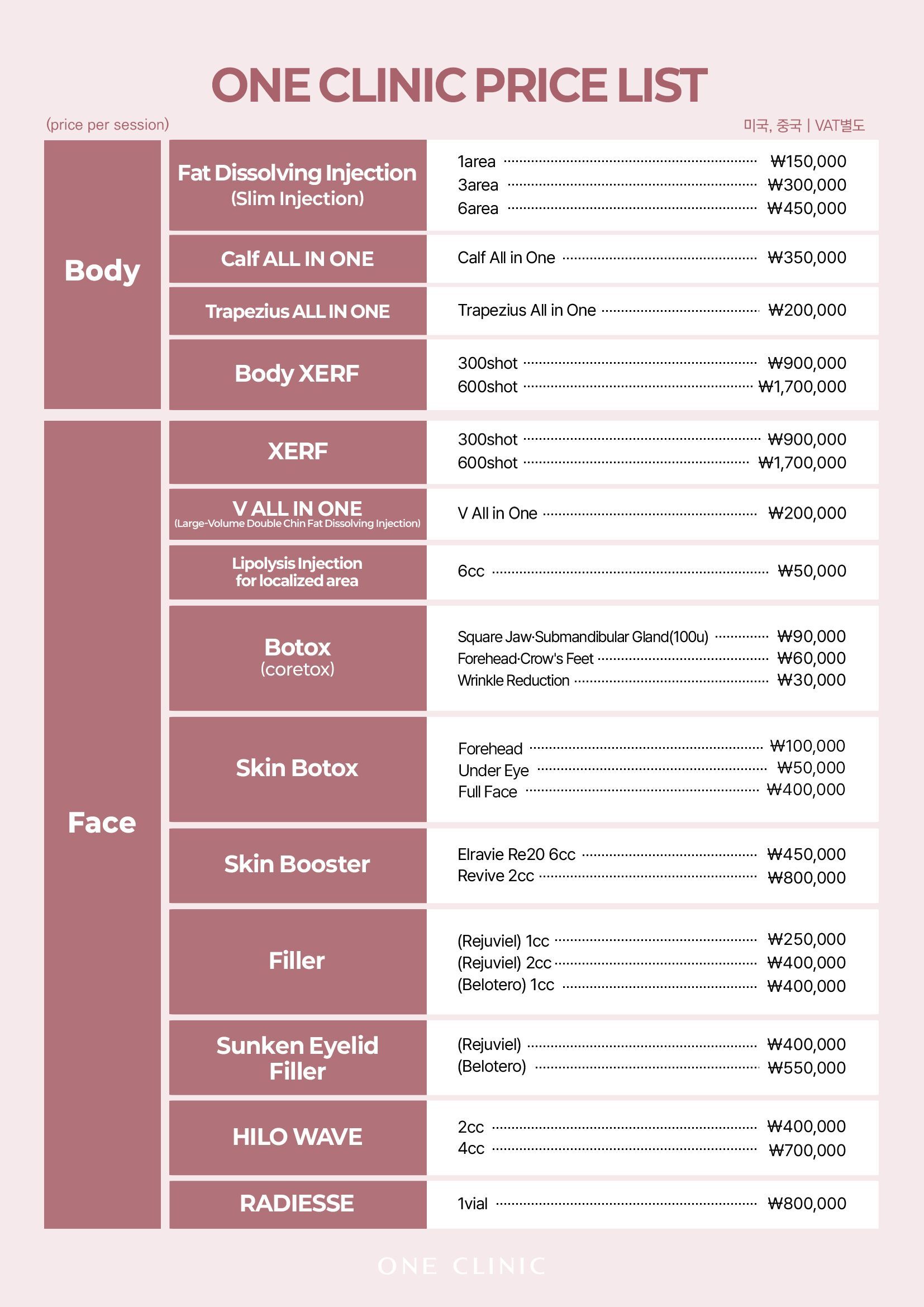
ONE CLINIC's aesthetic services can provide separate consultation for localized fat and body-line refinement when appropriate.
The timing of aesthetic treatments should take postpartum recovery and individual health status into account.
Possible Considerations During Postpartum Weight Loss
Postpartum patients should consider their overall recovery rather than focusing only on weight.
Important factors to discuss with a healthcare professional may include:
- Breastfeeding
- Delivery method and recovery
- Current medications
- Nutritional needs
- Sleep and fatigue
- Menstrual cycle changes
- Pelvic-floor or abdominal concerns
- Future pregnancy plans
A gradual approach can help patients establish sustainable habits while allowing the body adequate time to recover.
Why Choose Seomyeon, Busan?
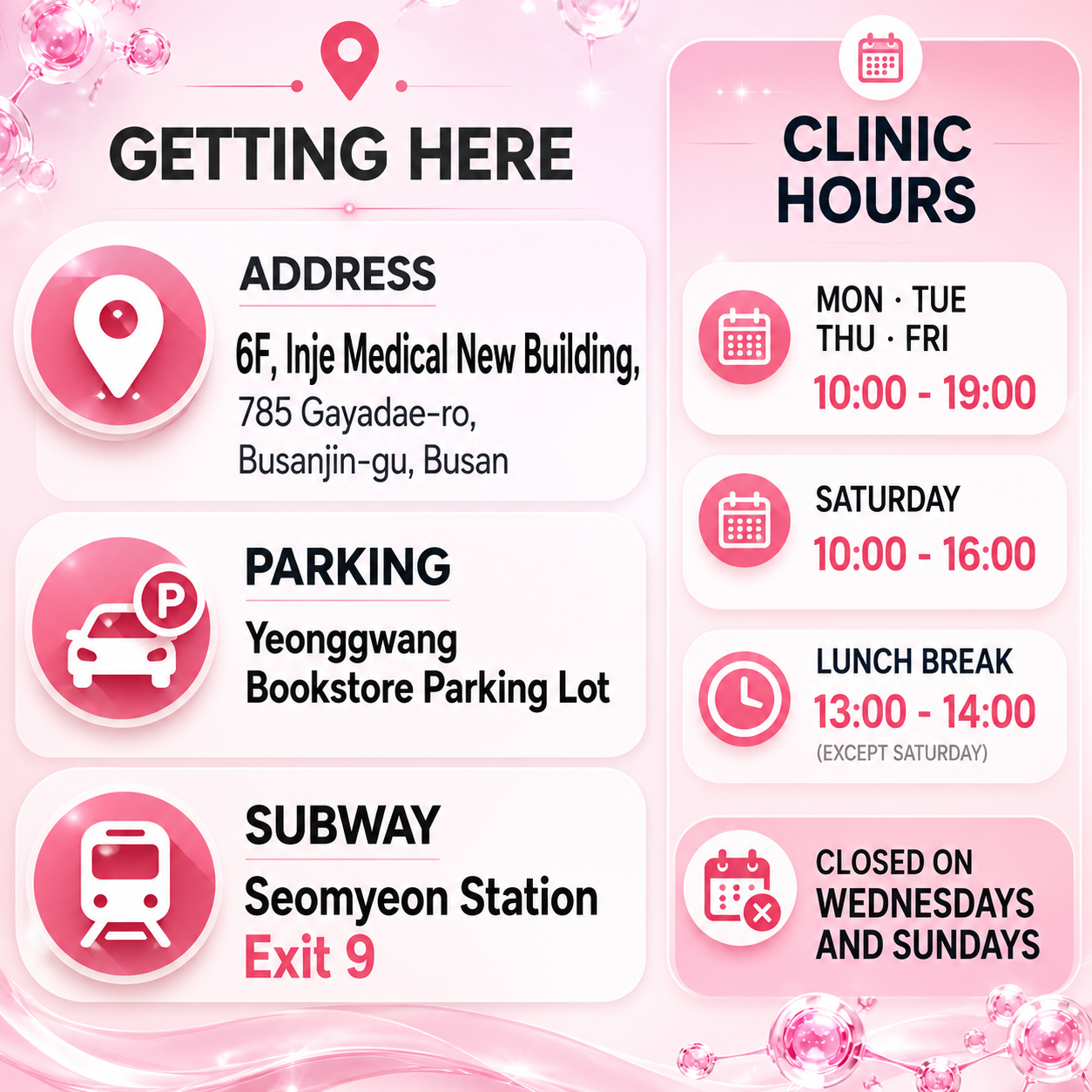
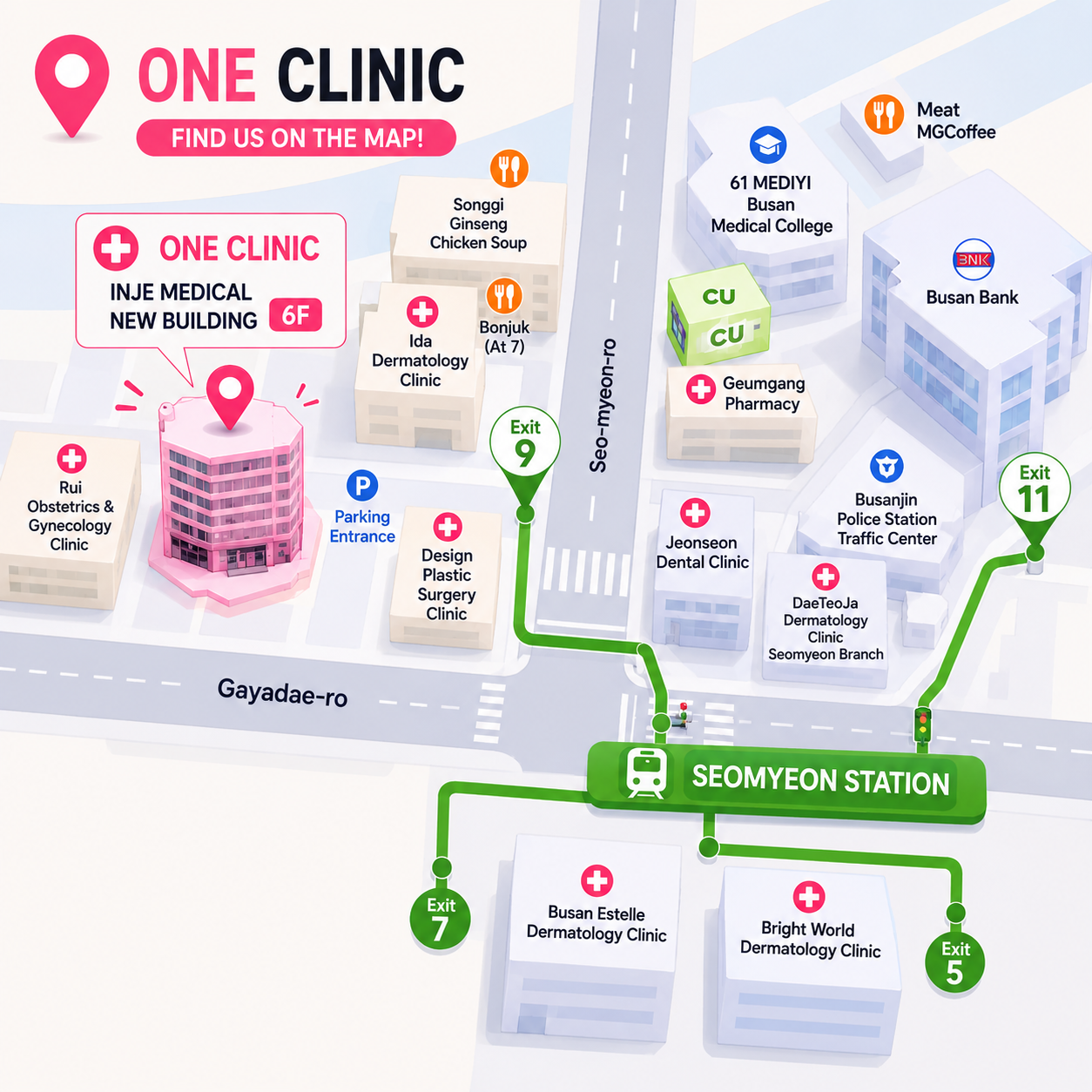
Seomyeon is a central and convenient area of Busan for patients seeking medical and aesthetic care. Its accessibility can also make it practical for international visitors staying in Busan.
ONE CLINIC Seomyeon provides personalized consultation so that weight-management planning can consider individual goals, lifestyle, recovery, treatment schedules, and travel circumstances.
Postpartum Weight Loss for International Patients in Busan
International patients considering postpartum weight loss in Busan should allow enough time for medical consultation and recovery assessment before beginning treatment.
Before starting a program, patients should understand:
- Whether they are medically ready for weight-loss treatment
- Whether breastfeeding affects treatment options
- Which nutritional approach is appropriate
- When exercise can be increased safely
- Whether prescription medication is appropriate
- Possible side effects and precautions
- Follow-up requirements
- How the weight-management plan can continue after returning home
Patients who recently gave birth should also provide relevant medical history and current medication information during consultation.
Medical Weight Management for Postpartum Weight Loss at ONE CLINIC Seomyeon
For patients searching for postpartum weight loss in Seomyeon, Busan, ONE CLINIC Seomyeon offers an individualized approach that can consider postpartum recovery, body composition, lifestyle, nutrition, and personal weight-management goals.
For appropriate patients, nutrition, exercise, body-composition monitoring, and prescription weight-management options may be considered as part of a broader plan. The focus is on gradual and sustainable weight management while taking the patient's postpartum health and recovery into account.
FAQ
When can I start losing weight after giving birth?
The appropriate timing varies depending on recovery, delivery history, breastfeeding, overall health, and individual circumstances. Patients should discuss when it is appropriate to actively pursue weight loss with their healthcare provider.
Can I lose weight while breastfeeding?
Weight loss may be possible during breastfeeding, but nutritional and energy needs remain important. Aggressive calorie restriction or prescription weight-loss treatment should not be started without appropriate medical guidance.
Can I use weight-loss injections after pregnancy?
Some prescription weight-management medications may be appropriate after pregnancy for eligible patients, but breastfeeding and future pregnancy plans can affect whether a medication is suitable. A physician should evaluate the individual situation before treatment.
How can I lose postpartum belly fat?
Overall weight management, nutrition, physical activity, and gradual recovery can help improve body composition. Localized abdominal concerns may be evaluated separately for appropriate body-contouring options once sufficient postpartum recovery has occurred.
Can exercise help with postpartum weight loss?
Yes. Gradually returning to physical activity can support weight management, cardiovascular fitness, and muscle strength. The timing and intensity should be appropriate for the individual's postpartum recovery.
Can international patients receive postpartum weight-management consultation at ONE CLINIC Seomyeon?
International patients can seek consultation at ONE CLINIC Seomyeon. However, treatment suitability, medication eligibility, breastfeeding considerations, and follow-up requirements should be determined according to each patient's individual health status and postpartum recovery.