Hormonal Weight Management in Busan, Korea

Women's Weight Loss at ONE CLINIC Seomyeon

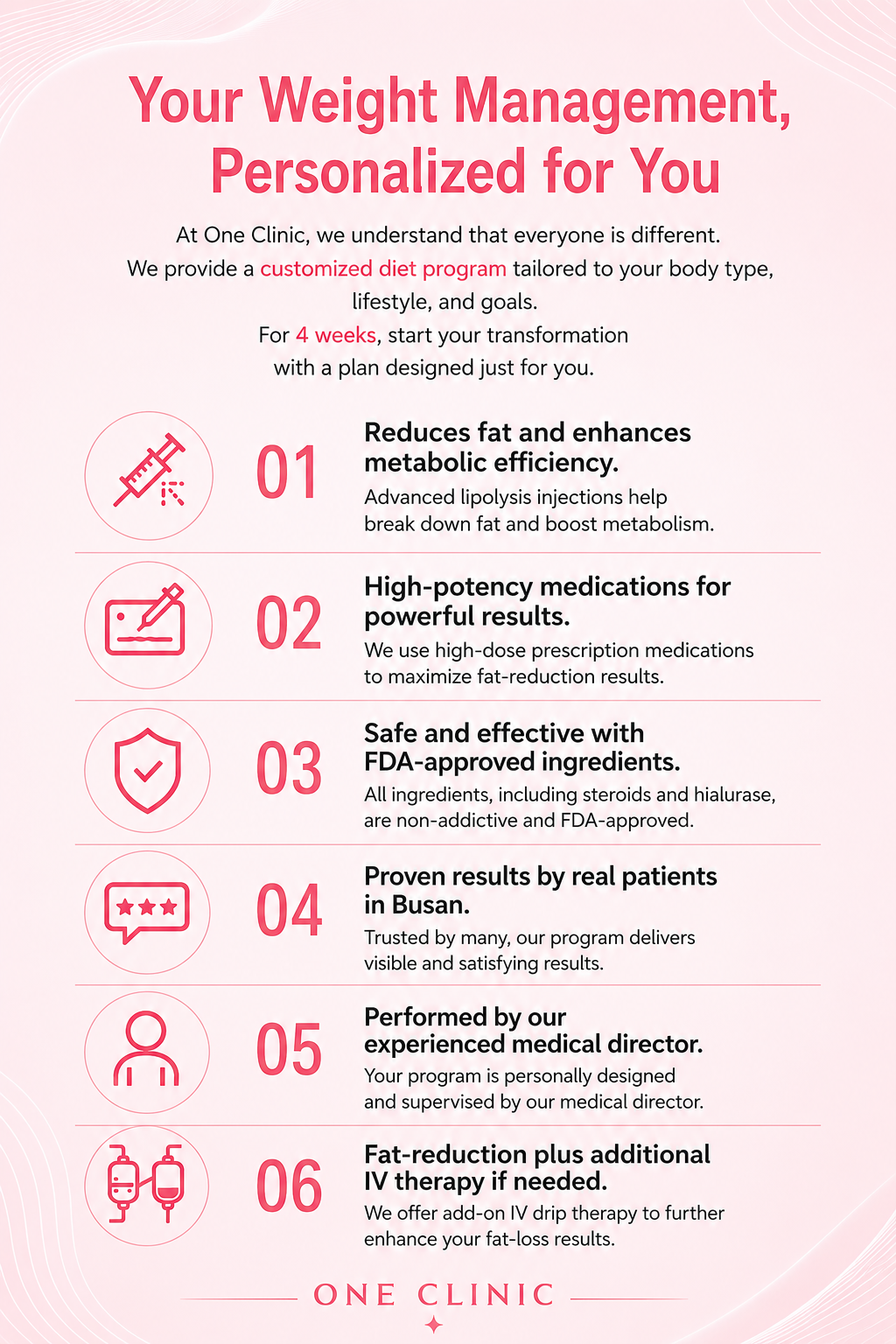
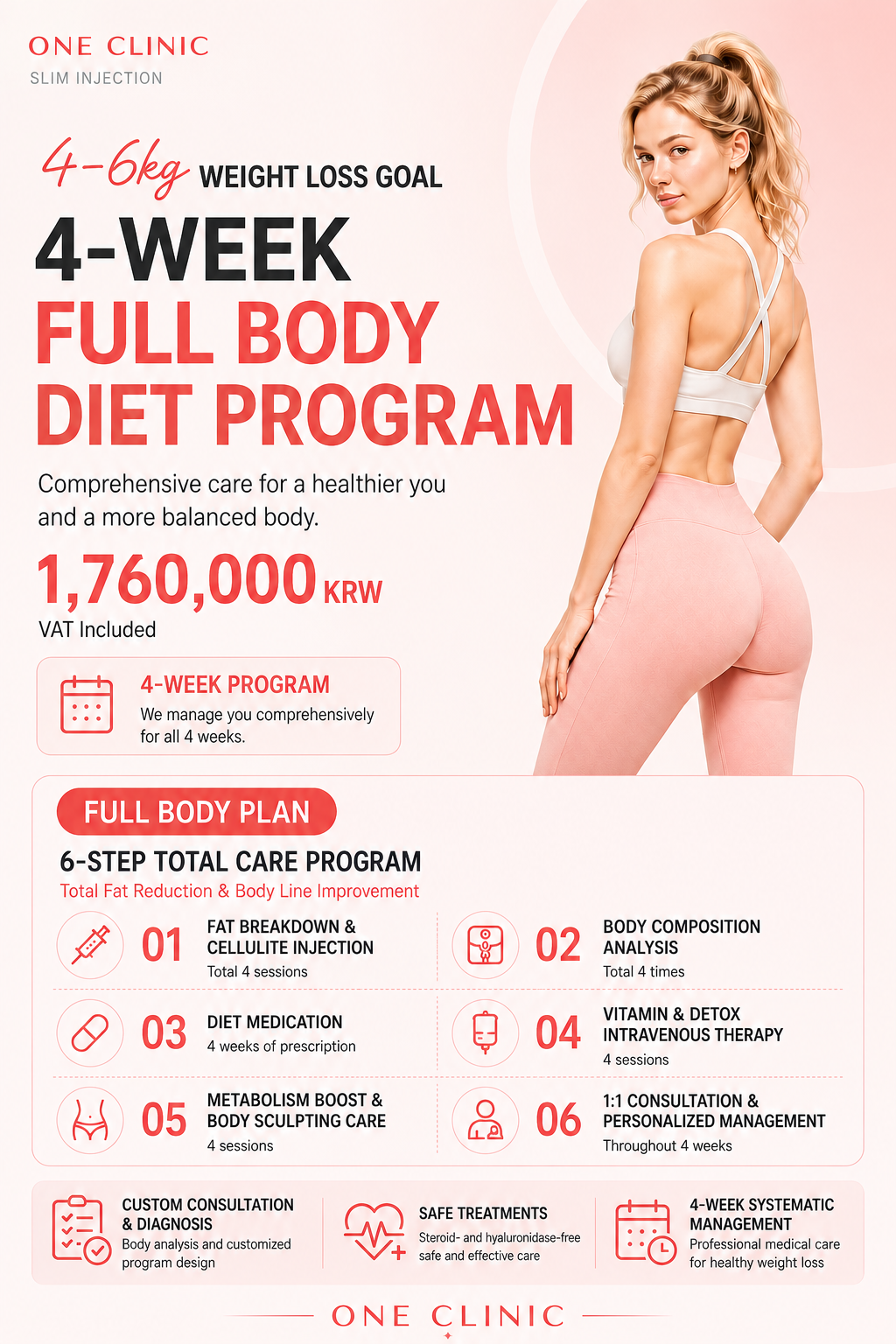
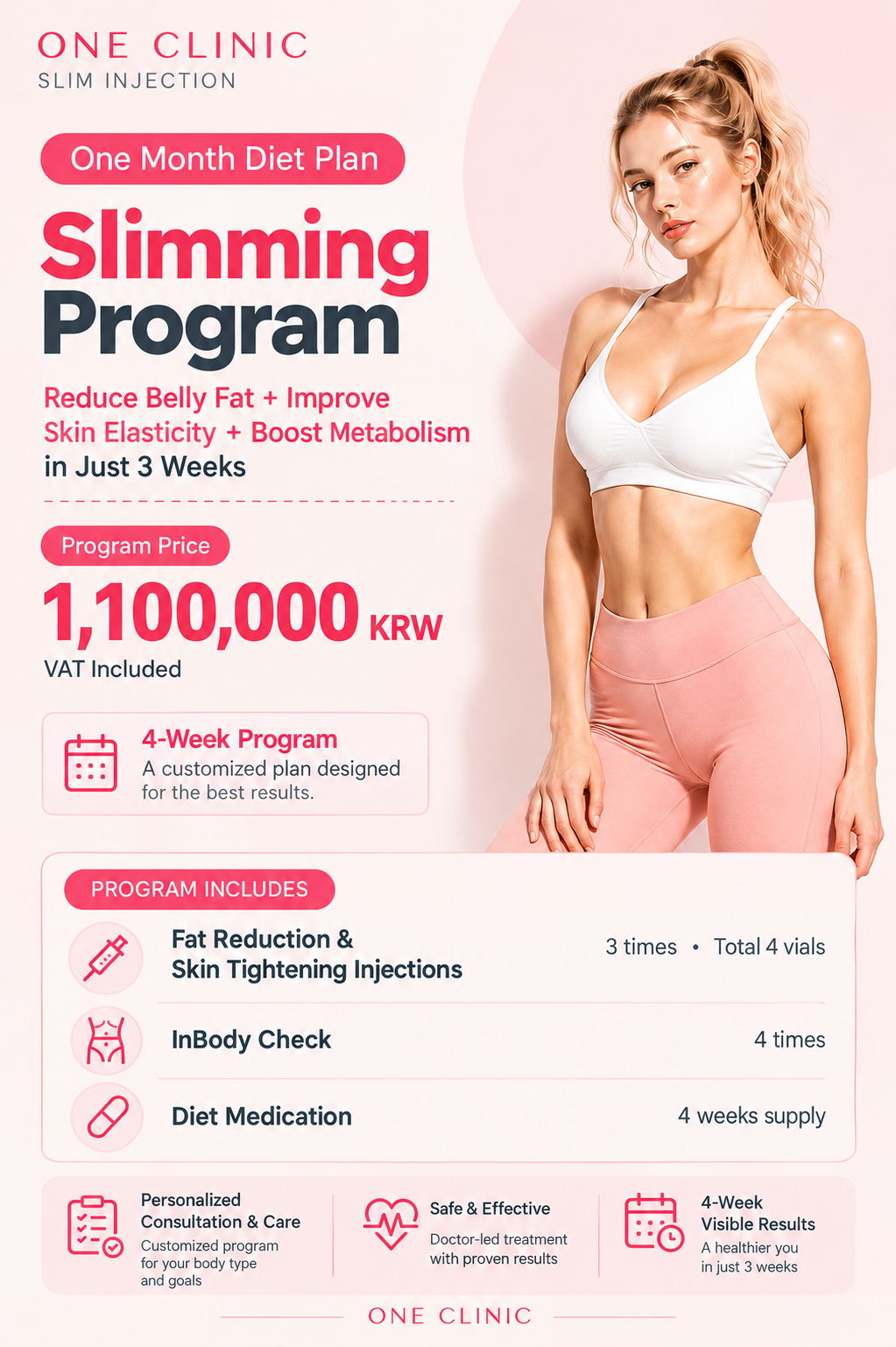
Hormonal Weight Management at ONE CLINIC Seomyeon offers personalized weight-management consultation for local and international patients seeking medically guided support for weight control and body composition in relation to hormonal and metabolic factors. Hormonal weight-management treatment may include appropriate medical evaluation, lifestyle guidance, and weight-management options tailored to each patient’s individual needs. At ONE CLINIC Seomyeon, treatment planning can take into account individual weight goals, health status, lifestyle, hormonal factors, and body-composition concerns. When appropriate, hormonal weight management may also be combined with customized body-contouring and aesthetic programs to support a slimmer, more balanced appearance and sustainable weight-management goals.

Hormonal Weight Management in Seomyeon, Busan

Hormonal Weight Management at ONE CLINIC Seomyeon

For patients looking for hormonal weight management in Seomyeon, Busan, ONE CLINIC Seomyeon provides personalized medical consultation based on individual health status, body composition, lifestyle, metabolic health, and weight-management goals.

Hormones can influence appetite, metabolism, body composition, reproductive health, and how the body stores fat. However, weight changes are usually influenced by multiple factors rather than a single hormone. A medical evaluation can help identify whether hormonal or metabolic factors may be relevant to an individual's weight-management concerns.

What Is Hormonal Weight Management?

Hormonal weight management refers to an individualized approach that considers hormonal, metabolic, and lifestyle factors that may influence weight and body composition.

Depending on the patient's circumstances, an evaluation may consider:

  • Body weight and BMI
  • Body composition
  • Blood glucose and metabolic health
  • Thyroid function when clinically indicated
  • Menopause or reproductive status
  • PCOS and related metabolic concerns
  • Current medications
  • Nutrition and physical activity
  • Sleep and lifestyle factors

Hormonal testing is not automatically necessary for everyone seeking weight loss. A physician can determine which evaluations are clinically appropriate based on symptoms and medical history.

Who May Consider Hormonal Weight Management?

Hormonal and metabolic evaluation may be useful for patients who experience weight changes alongside other health or hormonal concerns.

A consultation may be appropriate for patients who:

  • Have difficulty losing or maintaining weight
  • Experience significant weight changes during menopause
  • Have PCOS or related metabolic concerns
  • Have symptoms that may suggest a thyroid disorder
  • Notice changes in body composition or abdominal fat
  • Have metabolic health concerns
  • Want medically supervised weight management
  • Are considering prescription weight-loss medication

The underlying cause of weight change should be evaluated individually rather than assuming that hormones are responsible in every case.

Personalized Hormonal Weight Management at ONE CLINIC Seomyeon

Weight management is not the same for every patient. At ONE CLINIC Seomyeon, consultation can consider medical history, body composition, lifestyle, metabolic health, current medications, and individual weight-management goals.

Depending on the patient's circumstances, a physician may discuss:

  • Metabolic health evaluation
  • Blood tests when clinically indicated
  • Body composition analysis
  • Nutrition counseling
  • Exercise planning
  • Prescription weight-management medication
  • Long-term weight-maintenance strategies

The goal is to identify relevant factors and develop a practical treatment approach rather than treating an assumed hormonal imbalance without appropriate evaluation.

Hormones and Weight Management

Several hormonal systems are involved in appetite, metabolism, and body composition.

Insulin and Blood Glucose

Insulin plays an important role in blood-glucose regulation. Metabolic conditions involving insulin resistance can be associated with obesity and other health concerns.

Thyroid Hormones

Thyroid hormones influence metabolism. Thyroid disorders can contribute to changes in weight, although thyroid problems are not the cause of most cases of weight gain.

Thyroid testing may be considered when symptoms or medical history indicate that evaluation is appropriate.

Estrogen and Menopause

Declining estrogen during menopause is associated with changes in body-fat distribution, particularly increased abdominal fat. Aging and changes in physical activity also contribute to midlife weight changes.

PCOS and Metabolic Health

PCOS can be associated with metabolic risk and weight-management difficulties in some patients. Weight management should be individualized according to metabolic health, lifestyle, reproductive health, and personal goals.

Hormonal Health Evaluation and Weight Loss

A medical evaluation may help determine whether hormonal or metabolic factors should be considered as part of a weight-management plan.

Depending on individual circumstances, assessment may include:

  • Blood glucose
  • HbA1c
  • Cholesterol and lipid profile
  • Thyroid-related testing
  • Liver and kidney function
  • Blood pressure
  • Body composition
  • Other hormone-related tests when clinically indicated

Not every patient requires a full hormone panel. Testing should be selected based on the patient's symptoms, medical history, and clinical needs.

Prescription Weight Loss Medication and Hormonal Weight Management

Prescription weight-management medications may be considered for eligible patients when lifestyle changes alone have not produced sufficient results.

Depending on individual circumstances, options may include medications that act on incretin pathways, such as GLP-1 or GIP/GLP-1 receptor agonists.

Medication selection should take into account:

  • BMI
  • Weight-related health conditions
  • Medical history
  • Current medications
  • Potential contraindications
  • Treatment goals
  • Individual response and tolerance

Prescription weight-loss medication should not be viewed as hormone replacement therapy. It works through specific metabolic and appetite-regulating pathways and should be prescribed according to its approved indications and individual medical circumstances.

Hormonal Weight Management and Body Contouring in Busan

Hormonal and metabolic weight management addresses overall health and body composition, while body-contouring treatments generally focus on localized fat and body shape.

Patients may remain concerned about:

  • Abdomen and waist
  • Thighs
  • Upper arms
  • Back
  • Double chin
  • Localized fat
  • Reduced skin firmness

ONE CLINIC's aesthetic services can provide separate consultation for localized fat and body-line refinement when appropriate.

These treatments address different concerns and should be considered according to the patient's individual goals and anatomy.

Possible Considerations During Hormonal Weight Management

Hormonal weight management should be based on an appropriate medical evaluation.

Patients should discuss:

  • Current medications
  • Menstrual or reproductive health
  • Menopause status when relevant
  • Pregnancy or pregnancy plans
  • Existing metabolic conditions
  • Previous weight-loss treatments
  • Relevant symptoms
  • Previous abnormal laboratory results

Patients should not begin hormone therapy or prescription weight-loss medication solely for weight loss without medical assessment.

Why Choose Seomyeon, Busan?

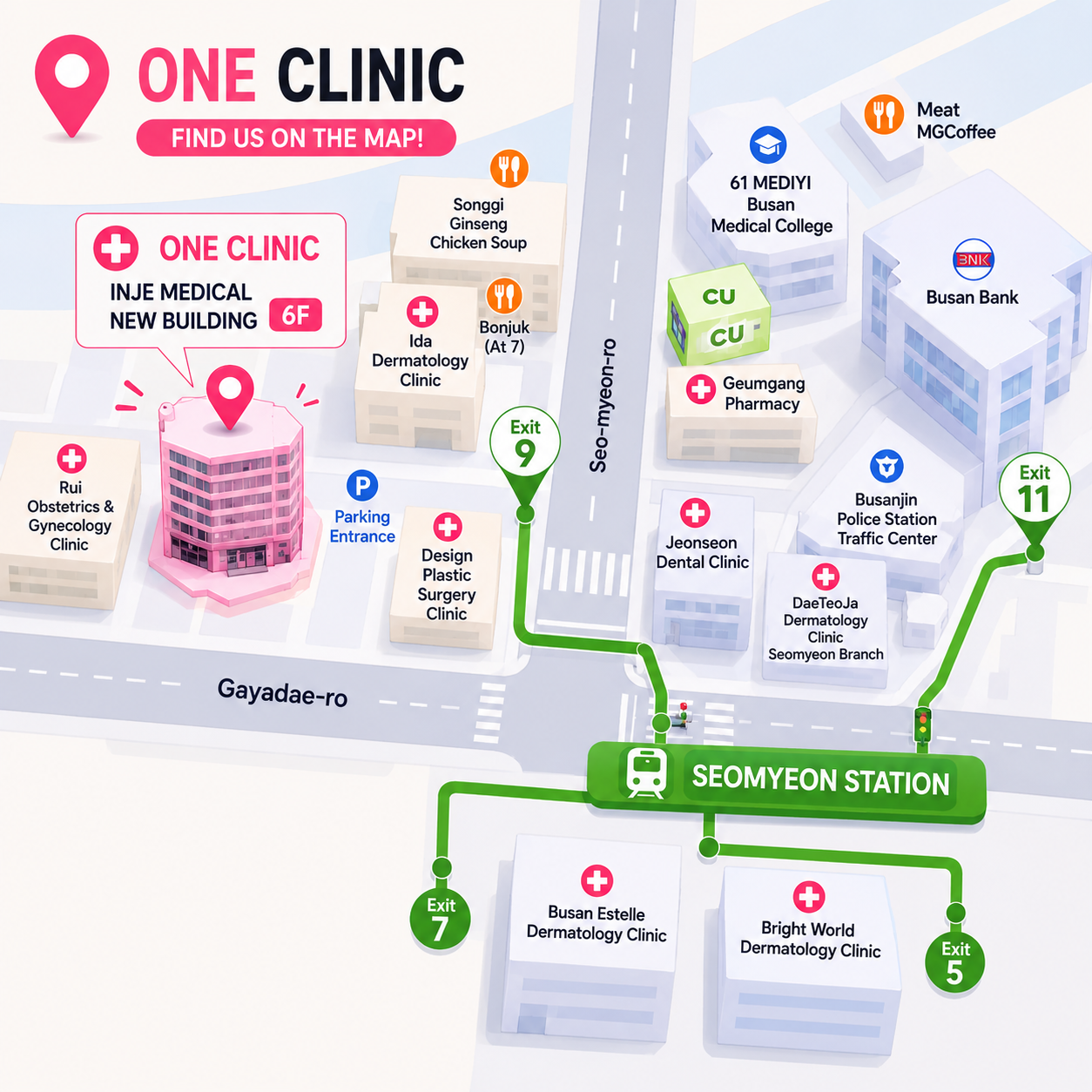
Seomyeon is a central and convenient area of Busan for patients seeking medical and aesthetic care. Its accessibility can also make it practical for international visitors staying in Busan.

ONE CLINIC Seomyeon provides personalized consultation so that weight-management planning can consider individual health goals, lifestyle, treatment schedules, and travel circumstances.

Hormonal Weight Management for International Patients in Busan

International patients considering hormonal weight management in Busan can discuss their weight concerns, medical history, body composition, lifestyle, and relevant hormonal or metabolic symptoms with a healthcare professional.

Before starting treatment, patients may want to understand:

  • Which medical evaluations may be recommended
  • Whether blood testing is appropriate
  • Whether prescription medication may be suitable
  • Whether hormonal treatment is medically indicated
  • Possible side effects and precautions
  • Follow-up requirements
  • How treatment can continue after returning home

Patients who already have recent laboratory results or medical records may also wish to provide them for review during consultation.

Hormonal Weight Management at ONE CLINIC Seomyeon

For patients searching for hormonal weight management in Seomyeon, Busan, ONE CLINIC Seomyeon offers an individualized approach that can consider hormonal health, metabolic factors, body composition, lifestyle, and personal weight-management goals.

Rather than assuming that hormones are the sole cause of weight gain, a medical evaluation can help identify relevant factors and determine whether lifestyle management, metabolic monitoring, prescription medication, or additional evaluation may be appropriate.

FAQ

Can hormones cause weight gain?

Hormonal changes can influence appetite, body composition, and fat distribution, but weight gain is usually influenced by multiple factors. Medical history, lifestyle, aging, medications, and metabolic health can also play important roles.

What hormones should be checked for weight gain?

There is no universal hormone panel for weight gain. Depending on symptoms and medical history, a physician may consider thyroid-related testing or other metabolic or hormone-related assessments when clinically indicated.

Can hormonal imbalance make it difficult to lose weight?

Certain hormonal or metabolic conditions can contribute to weight changes or make weight management more difficult. Identifying these conditions requires appropriate medical evaluation rather than assuming that a hormonal imbalance is present.

Can hormone therapy help with weight loss?

Hormone therapy should not generally be used solely as a weight-loss treatment. Hormonal treatment may be appropriate for specific medical conditions or menopause-related symptoms, while weight management should be addressed according to the patient's individual health needs.

Can weight-loss injections be used for hormonal weight management?

Some prescription weight-management medications can influence appetite and metabolic pathways and may be appropriate for eligible patients. They are not hormone replacement treatments, and a physician should determine whether they are suitable.

Can international patients receive hormonal weight-management consultation at ONE CLINIC Seomyeon?

International patients can seek consultation at ONE CLINIC Seomyeon. However, the appropriate evaluation, laboratory testing, medication eligibility, and treatment plan should be determined according to each patient's individual health status and goals.